
SPACE
1st Edition of the Danków Artist Residency
The first edition of the Wolski Foundation Residency Program was conceived as an initiative supporting artists' creative processes through shared time dedicated to working, discussion, and the preparation of an exhibition.
The central theme of the residency is Space – understood both as a reference to the unique atmosphere of Danków, a place of return and intergenerational connection, and as a subject of reflection and a conceptual framework within artistic practice. Here, space becomes the starting point for creative inquiry – the place where artistic work begins. As the organizer of the program, the Wolski Foundation hopes that the residency's international profile will foster meaningful artistic dialogue and exchange.
The residency takes place in Danków and focuses on the development of new artistic projects by four invited artists. During their stay, participants work on individual projects, exchange experiences, and take part in discussions and curatorial consultations.
The program includes meetings with invited curators, providing feedback and support throughout the creative process. The residency concludes with the preparation and presentation of an exhibition at LETO Gallery in Warsaw (22.08.2026 - 6.09.2026), showcasing the works developed during the program.

Artists:
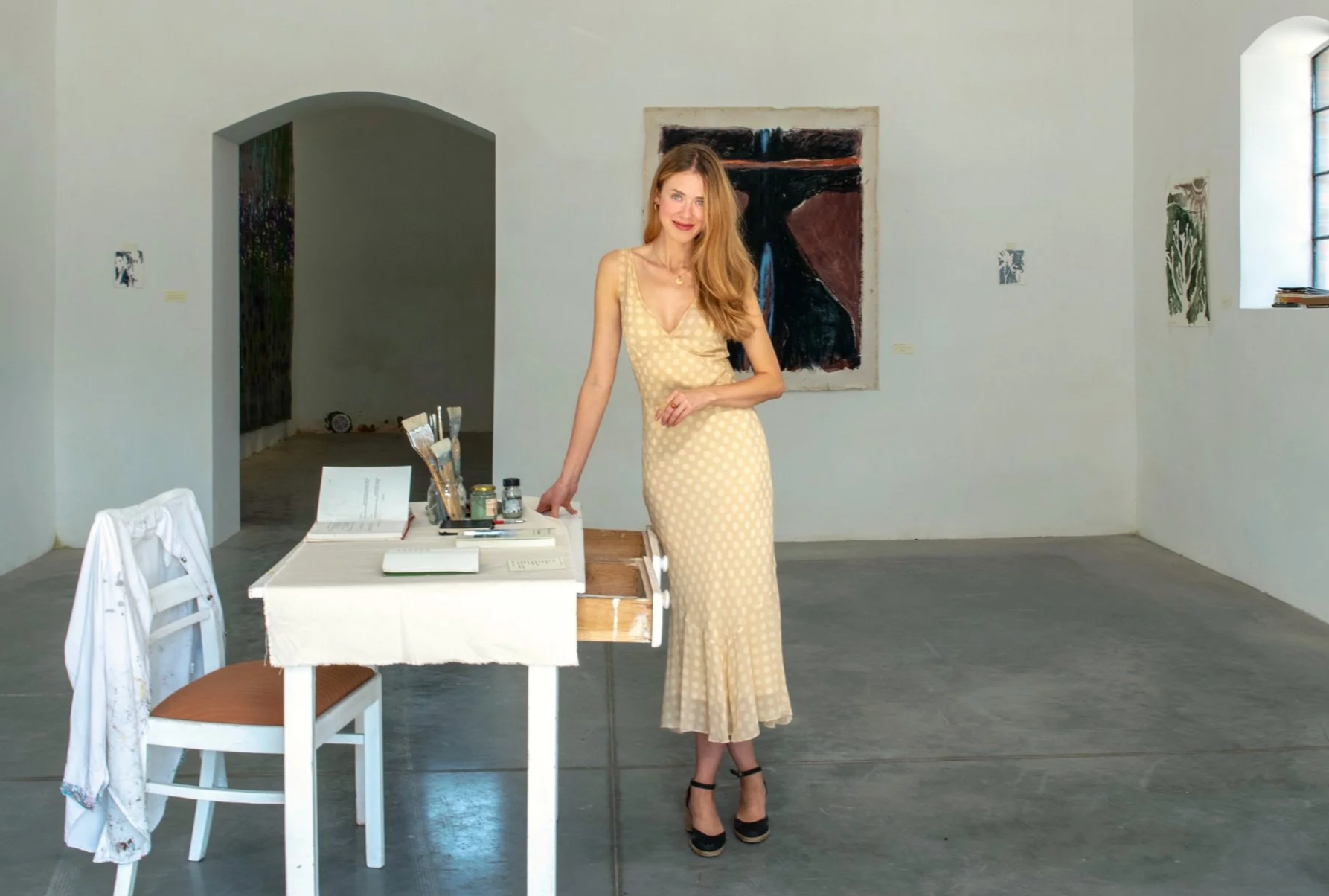
Emilia Durka
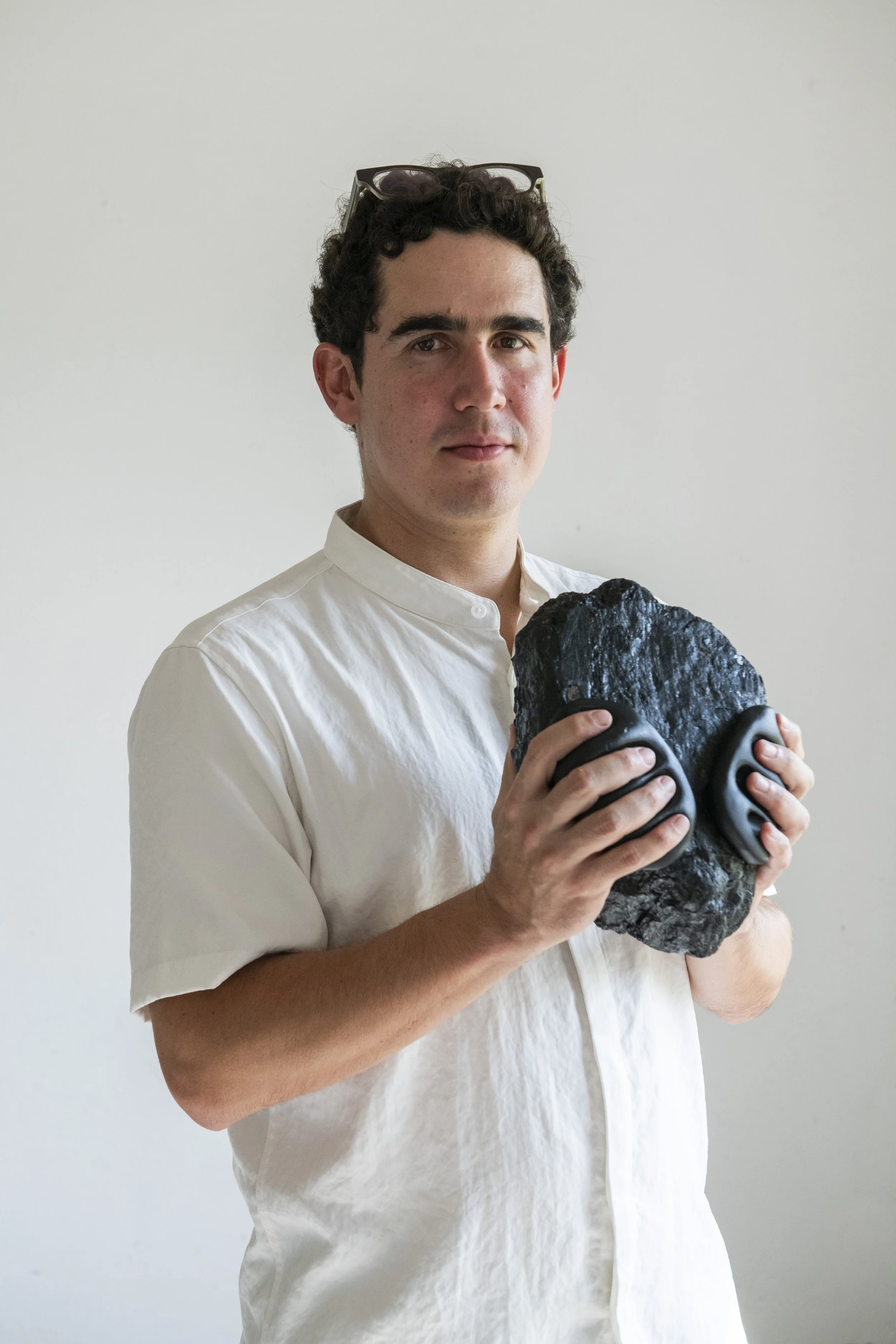
Enrique Argote
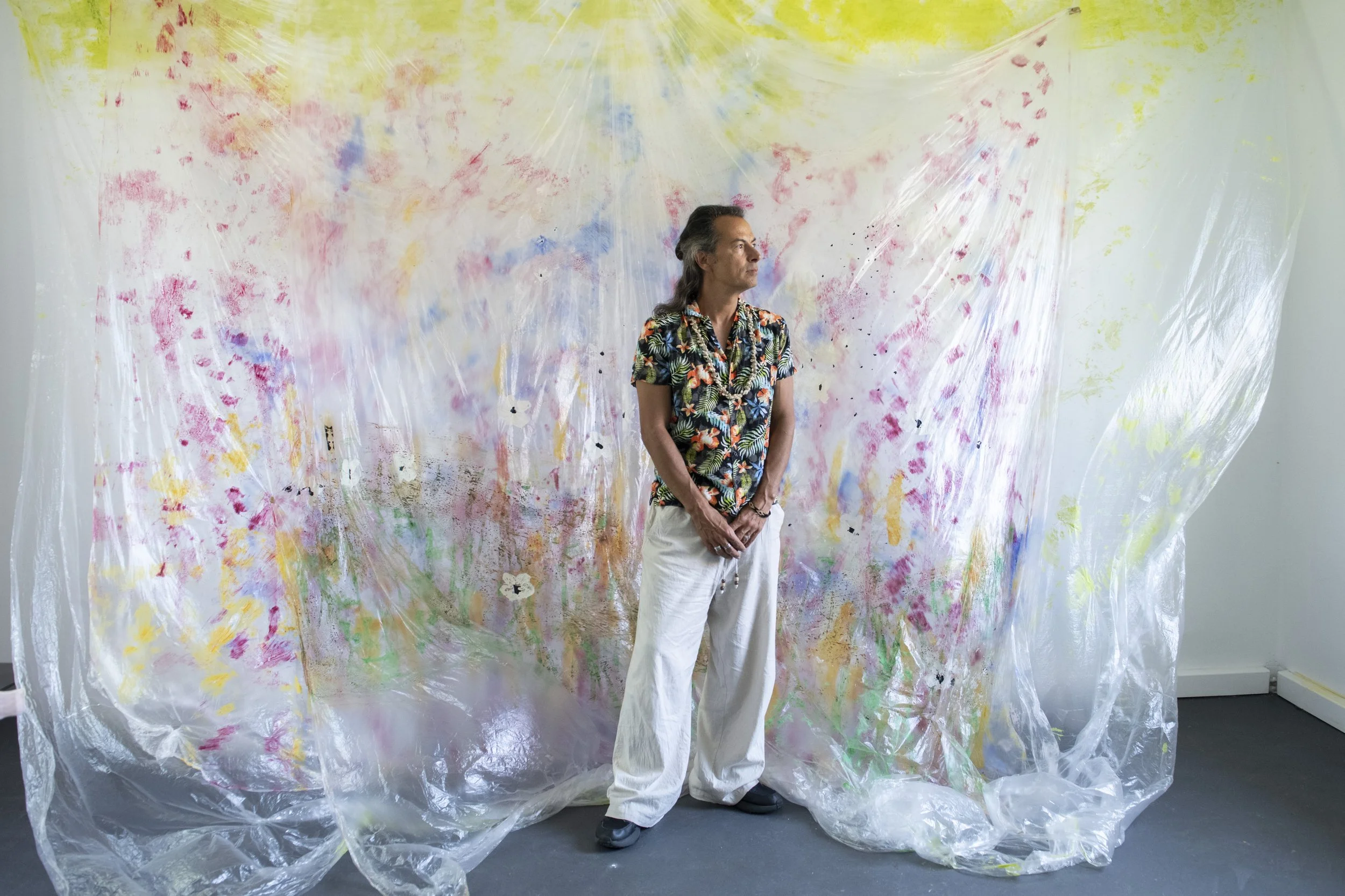
Ivan Buenader
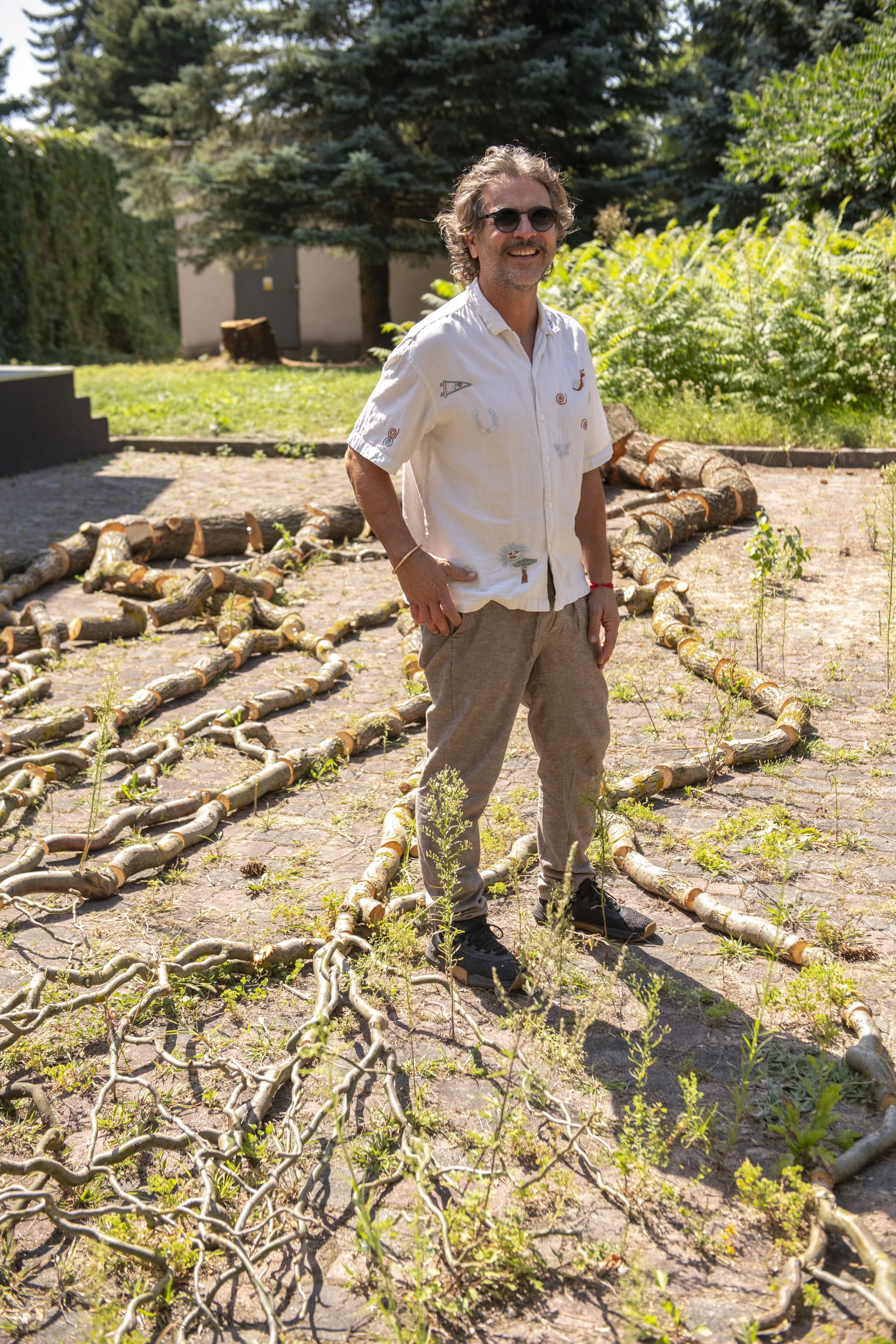
Máximo González
Residency in Danków: 18.07-20.08.2026
Exhibition at LETO Gallery: 22.08-6.09.2026 (Dzielna 5, Warsaw)
Opening of the exhibition: 22.08.2026 | 6PM
EXHIBITION AT LETO GALLERY
Máximo González | Room 1
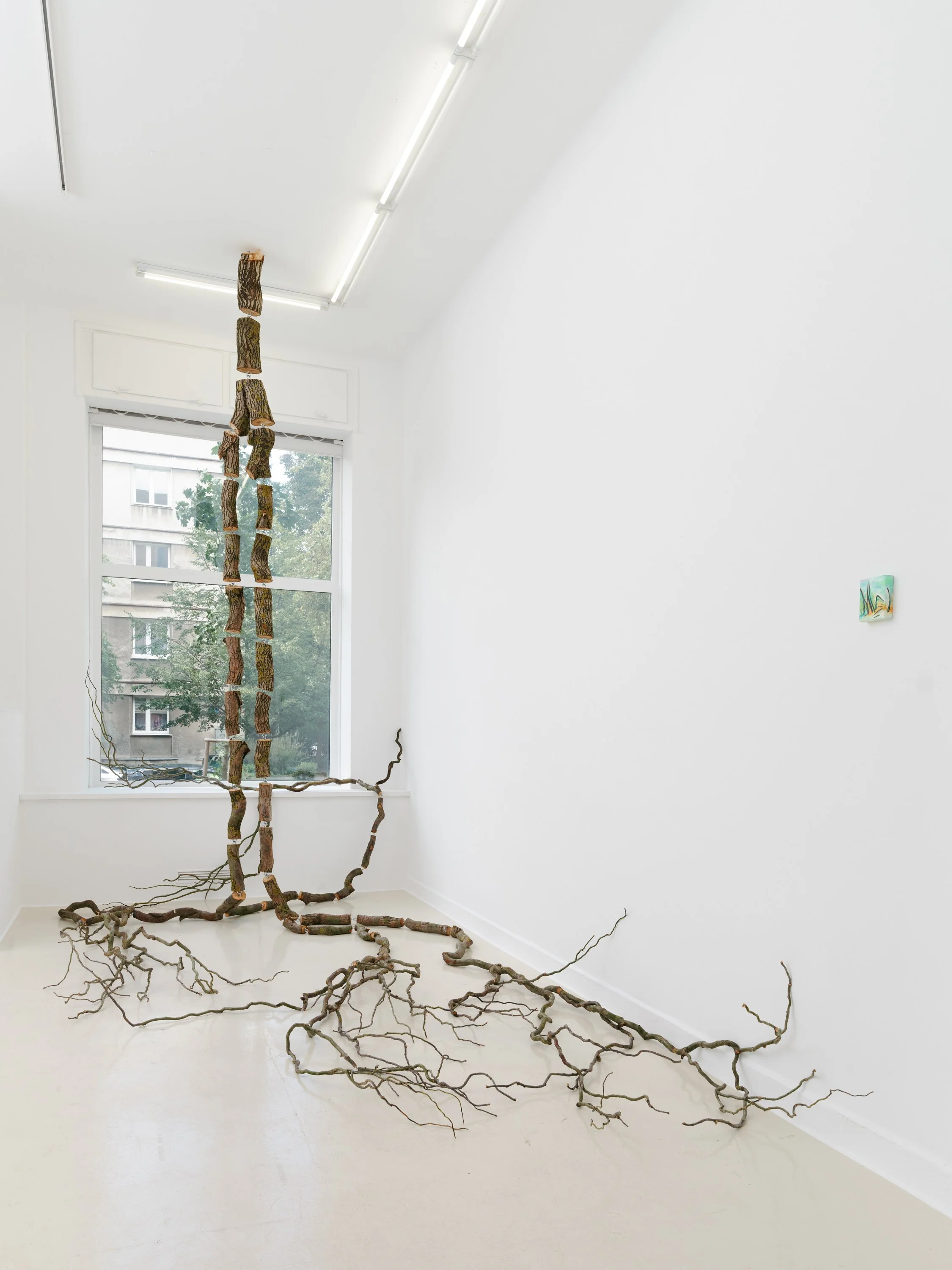
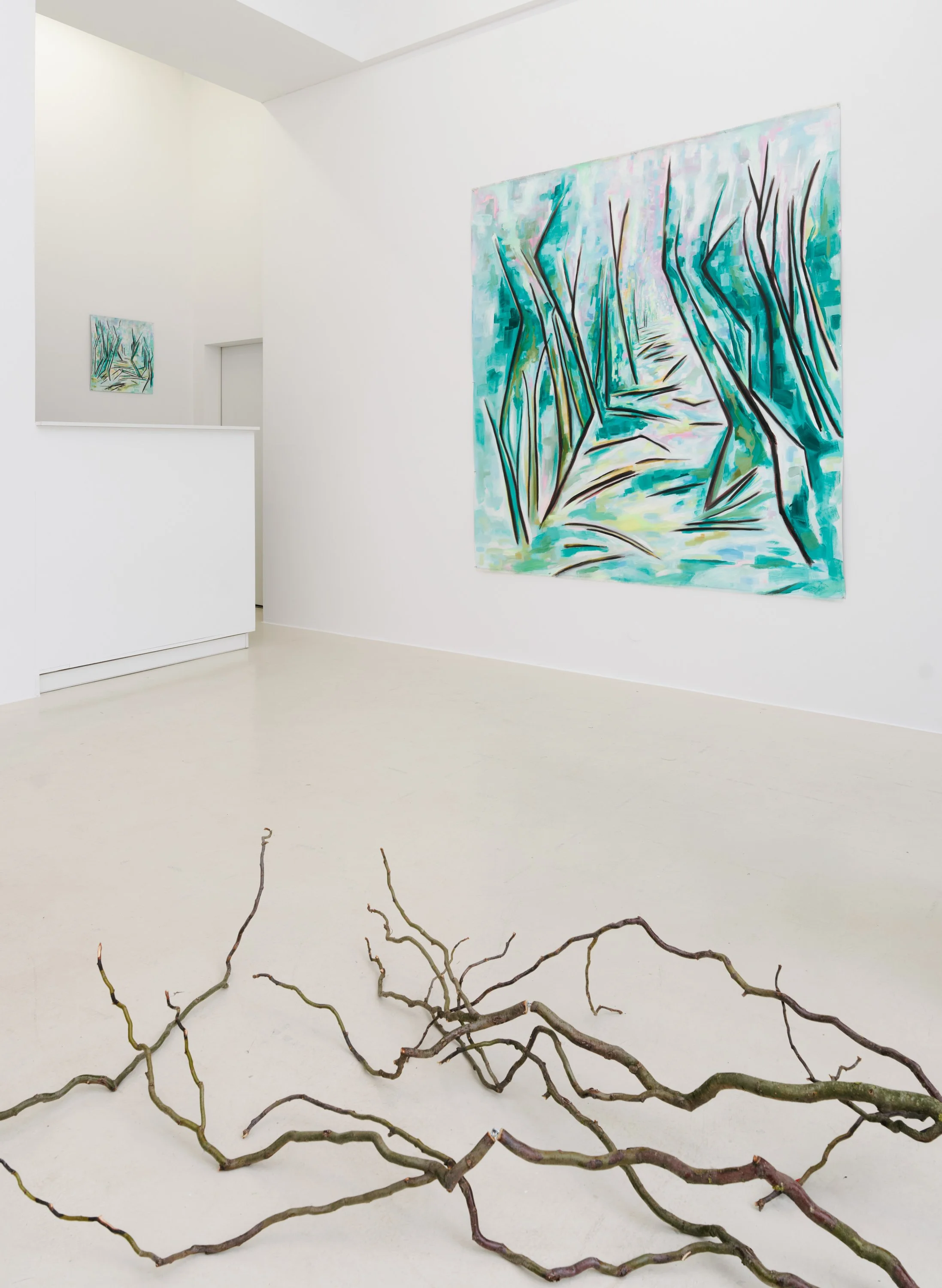
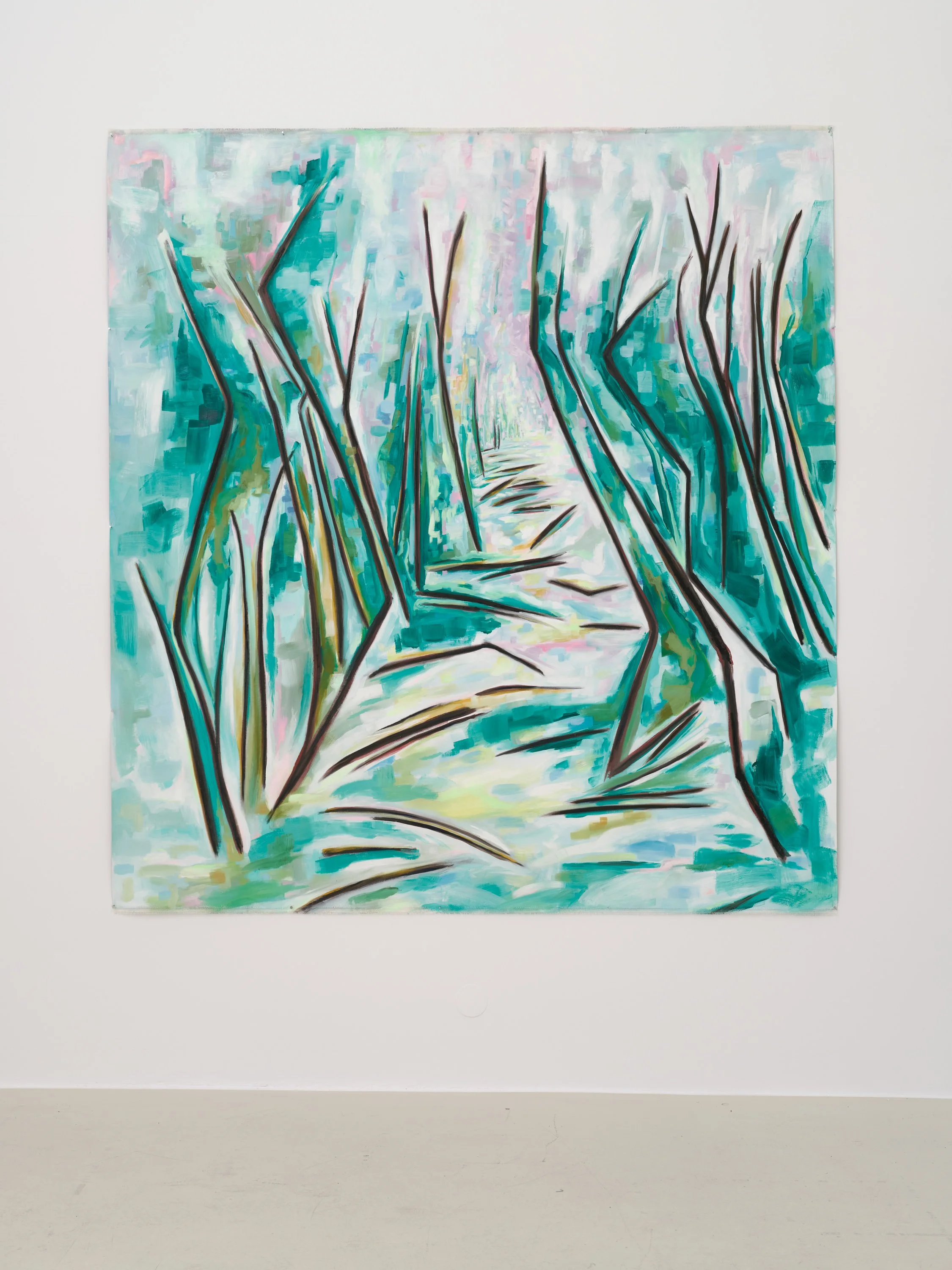
Máximo González created a poetic installation from a willow tree that had fallen in the park in Dańków. González gave it a second life – he found and reassembled all of its dismembered parts. It later turned out that the tree had been cut down because it violated local regulations. The sculpture is accompanied by a series of paintings, dynamic compositions depicting the changing view of the park seen from the windows of the artist’s studio. The series refers to Cézanne’s landscapes. The paintings are kept exclusively in cold tones. Even naturally warm colors, such as red or orange, have been “cooled down” by the artist. As a result, the idyllic landscape takes on a peaceful yet slightly unsettling character. The entire body of work is united by the themes of transience, memory, and breathing new life into objects.
Enrique Argote | Room 2
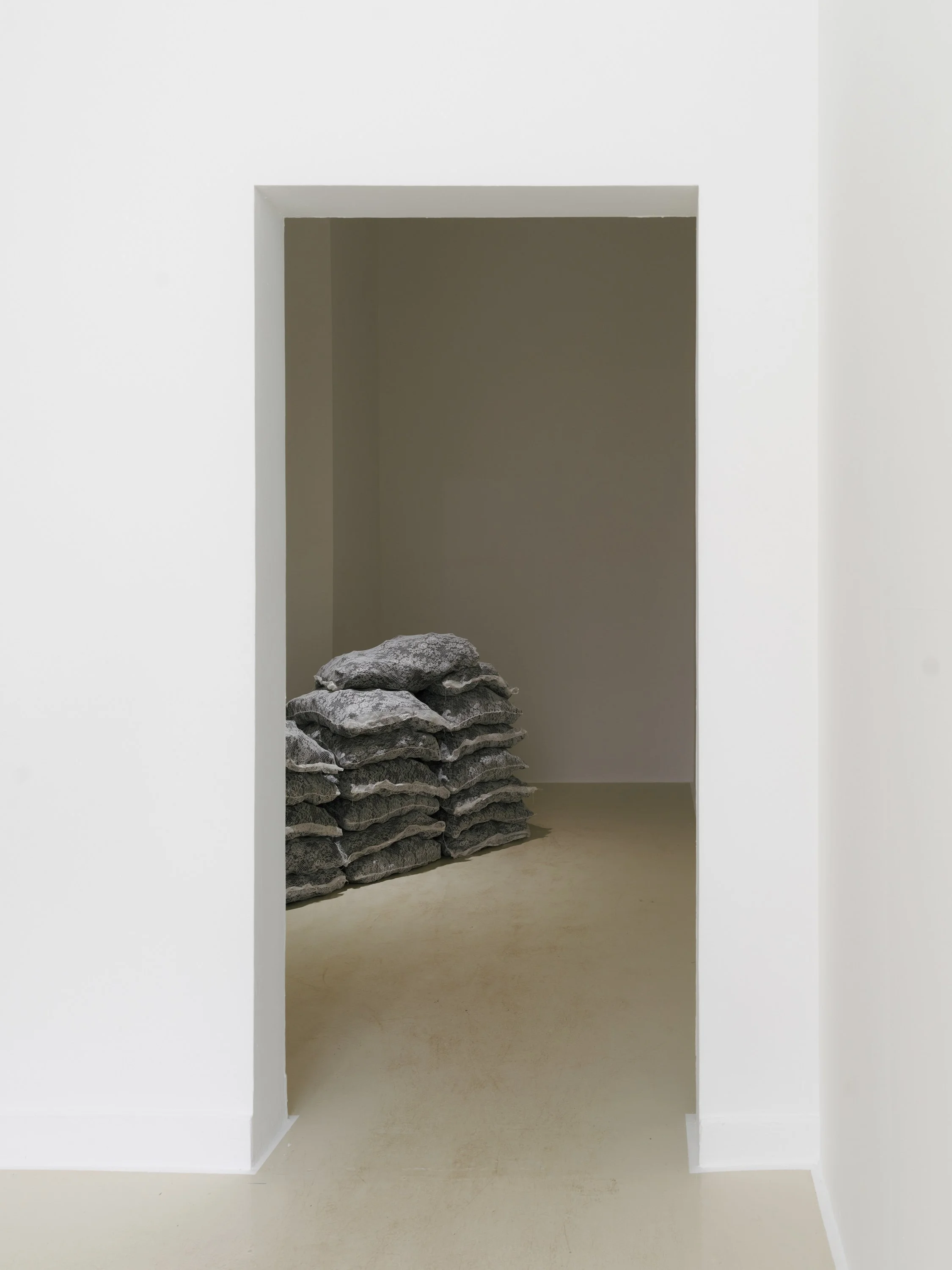
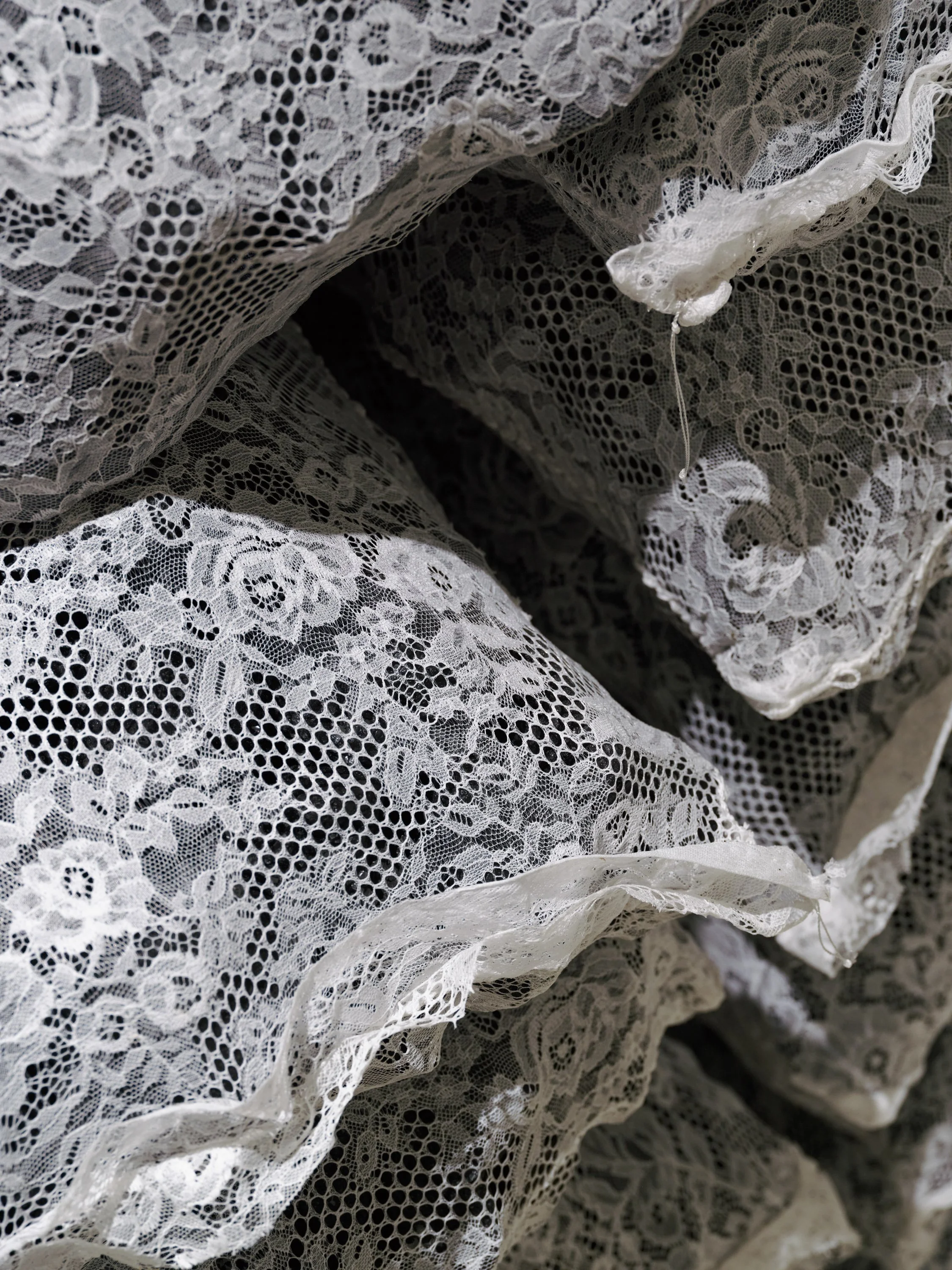
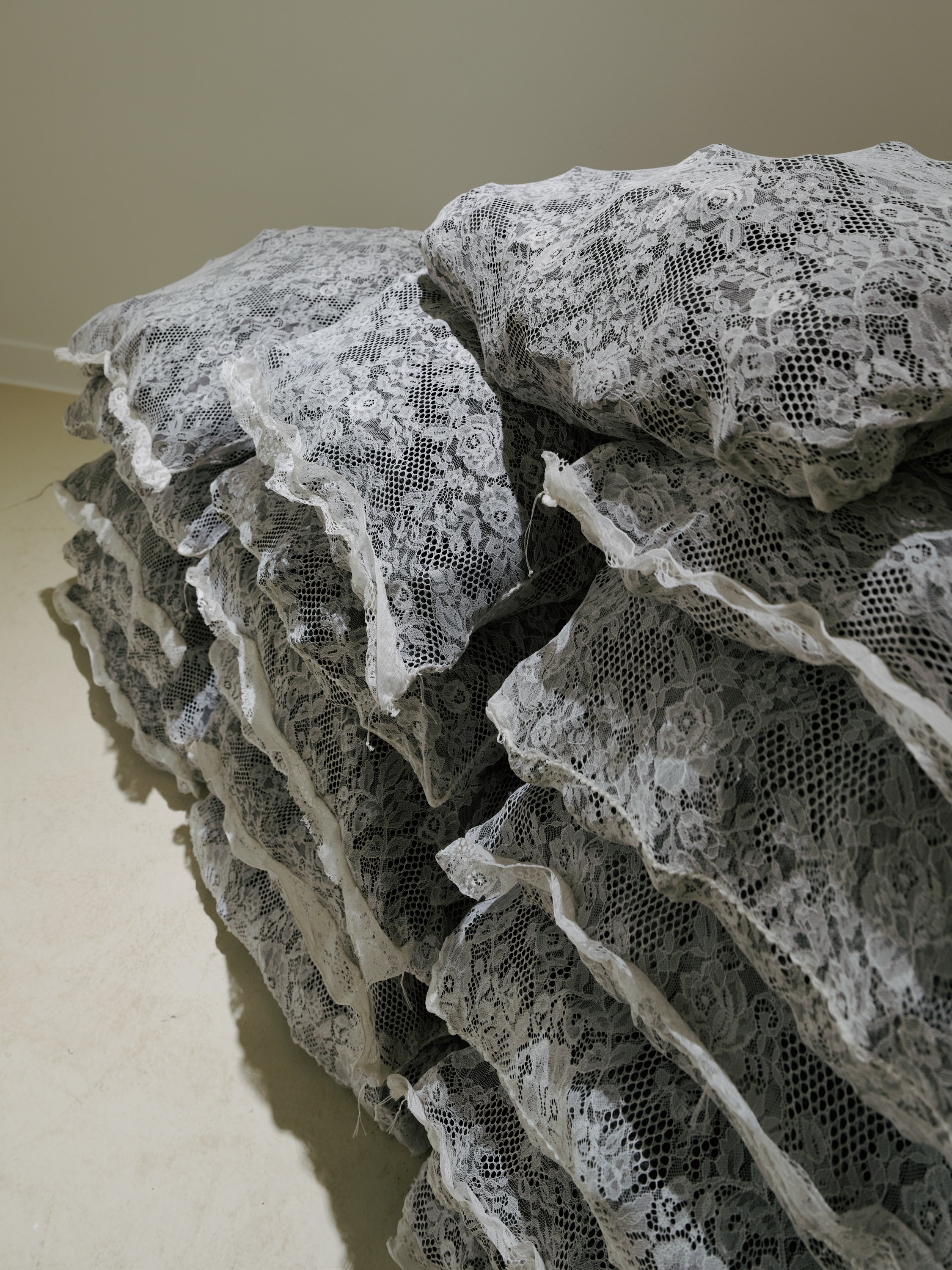
Enrique Argote understands space in sociocultural terms. He created an installation made of lace bags, into which he placed carefully washed coal. The work is based on a striking contrast - the delicacy and whiteness of the lace are juxtaposed with the heaviness and blackness of the coal, while each has a special value for the artist. He associates a lace tablecloth with a traditional Polish home - a treasured object passed down from generation to generation. Argote views Silesian coal and its surrounding mining culture in a similar light. The material, once called “black gold,” in the face of climate change, for many has become a symbol of unrealized potential. For Argote, coal is also a symbol of time, a small object that holds millions of years of history within. The artist questions the true value of coal, while attempting to honor hundreds of years of heritage and intergenerational bonds.
Emilia Durka | Room 3
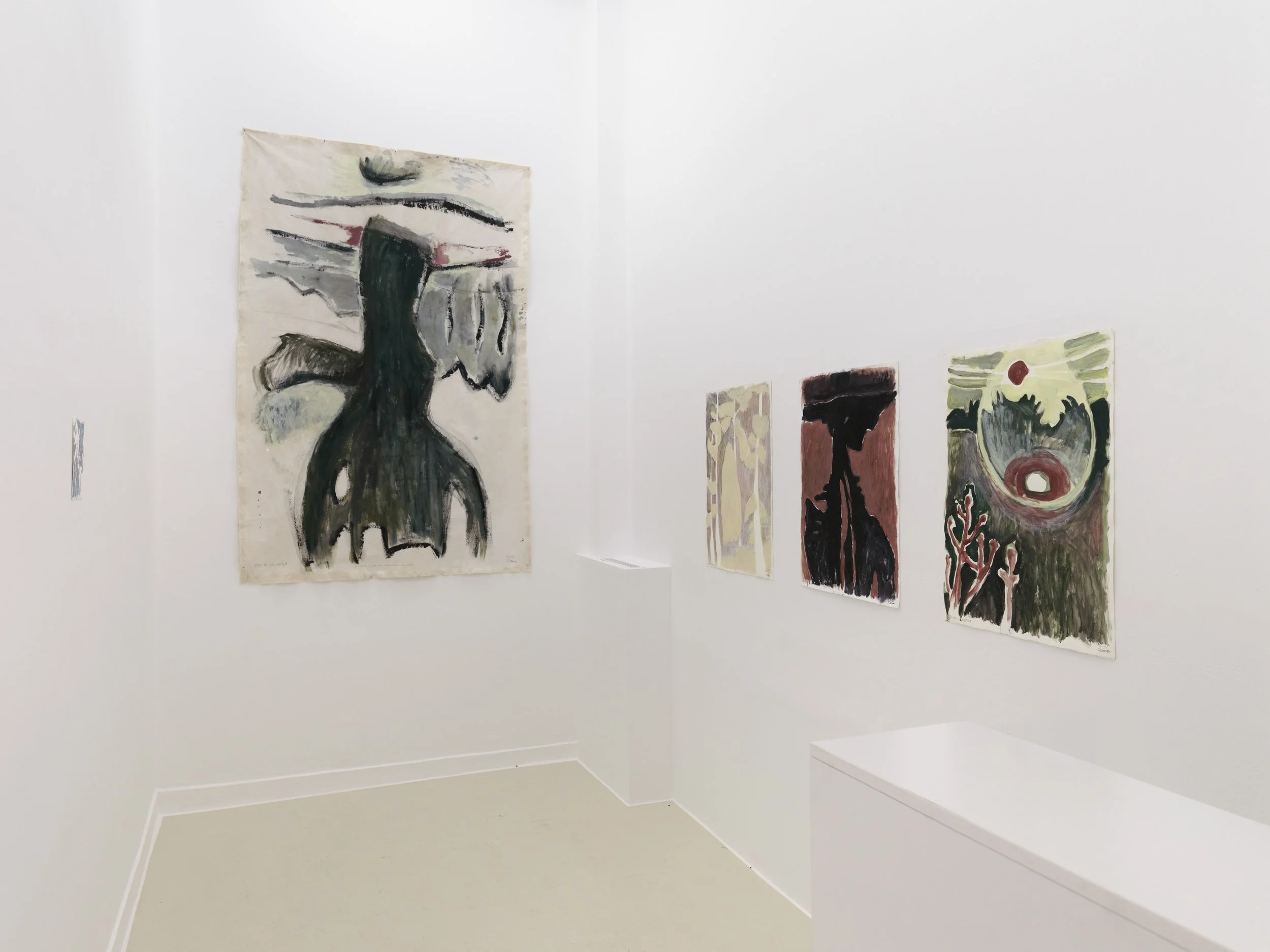
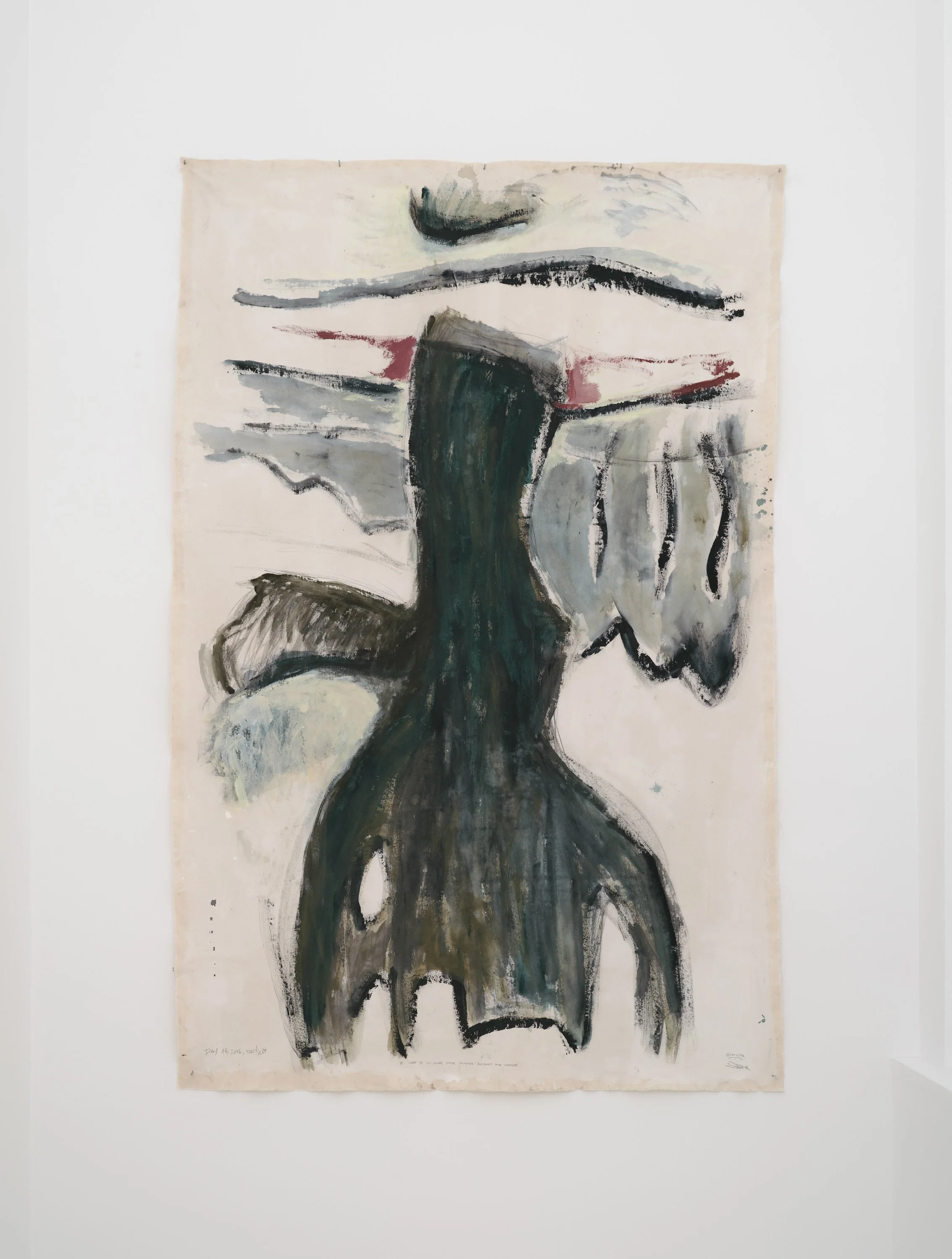
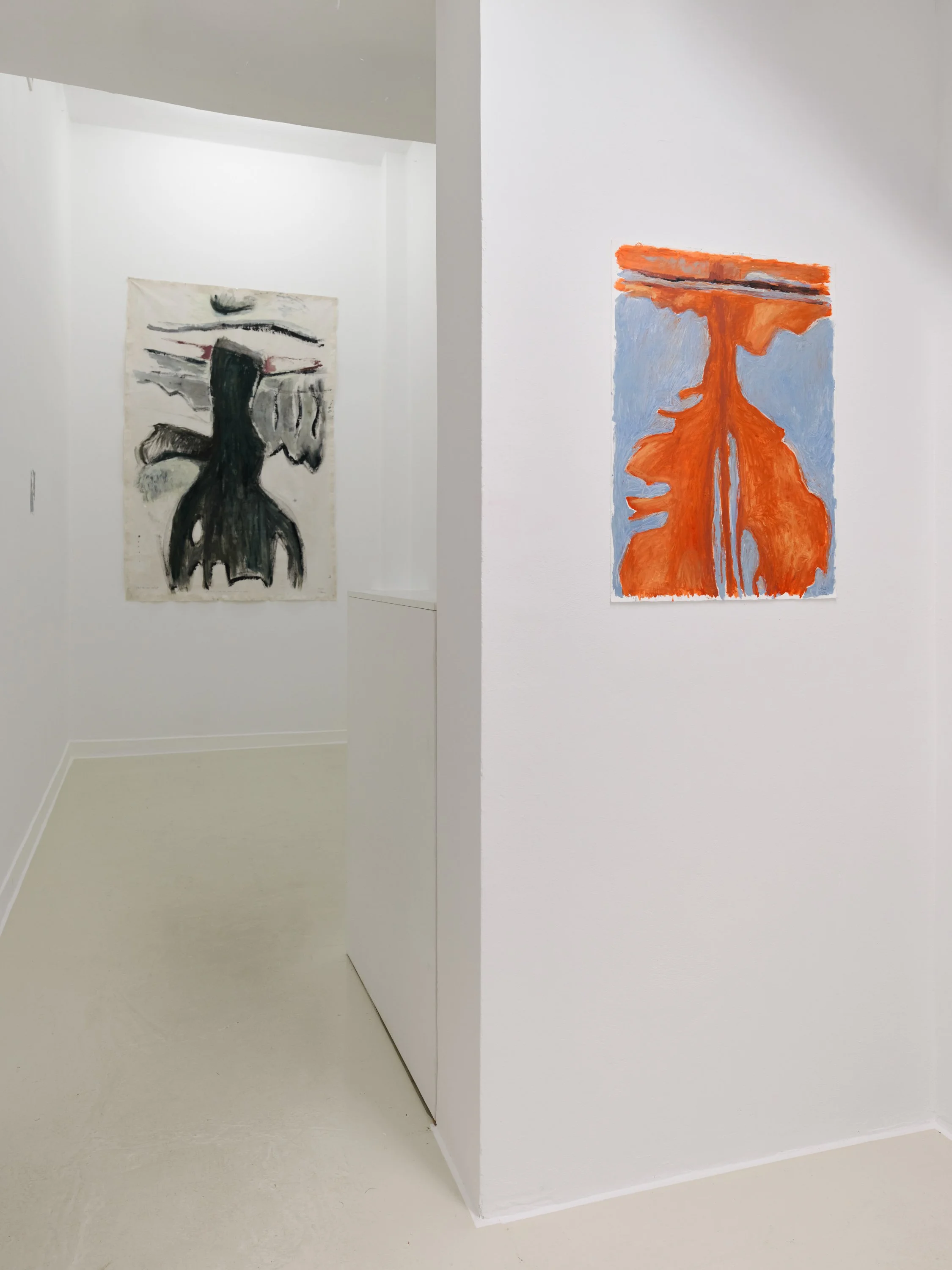
Emilia Durka, who is deeply rooted in the tradition of landscape painting, chose to focus on the trees growing in Dańków rather than depicting the landscape itself. She treated them as witnesses to history and symbols of continuity, linking the past with what is yet to come. As she created more and more paintings, figuration increasingly gave way to abstraction. The motif of trees reflected in water became a subtle self-portrait derived from emotion, a way of seeing, and a personal relationship with the surroundings. The series demonstrates that the uniqueness of a given place does not result from its idealization, but emerges from a mindful, vivid encounter with nature.
Ivan Buenader | Room 4
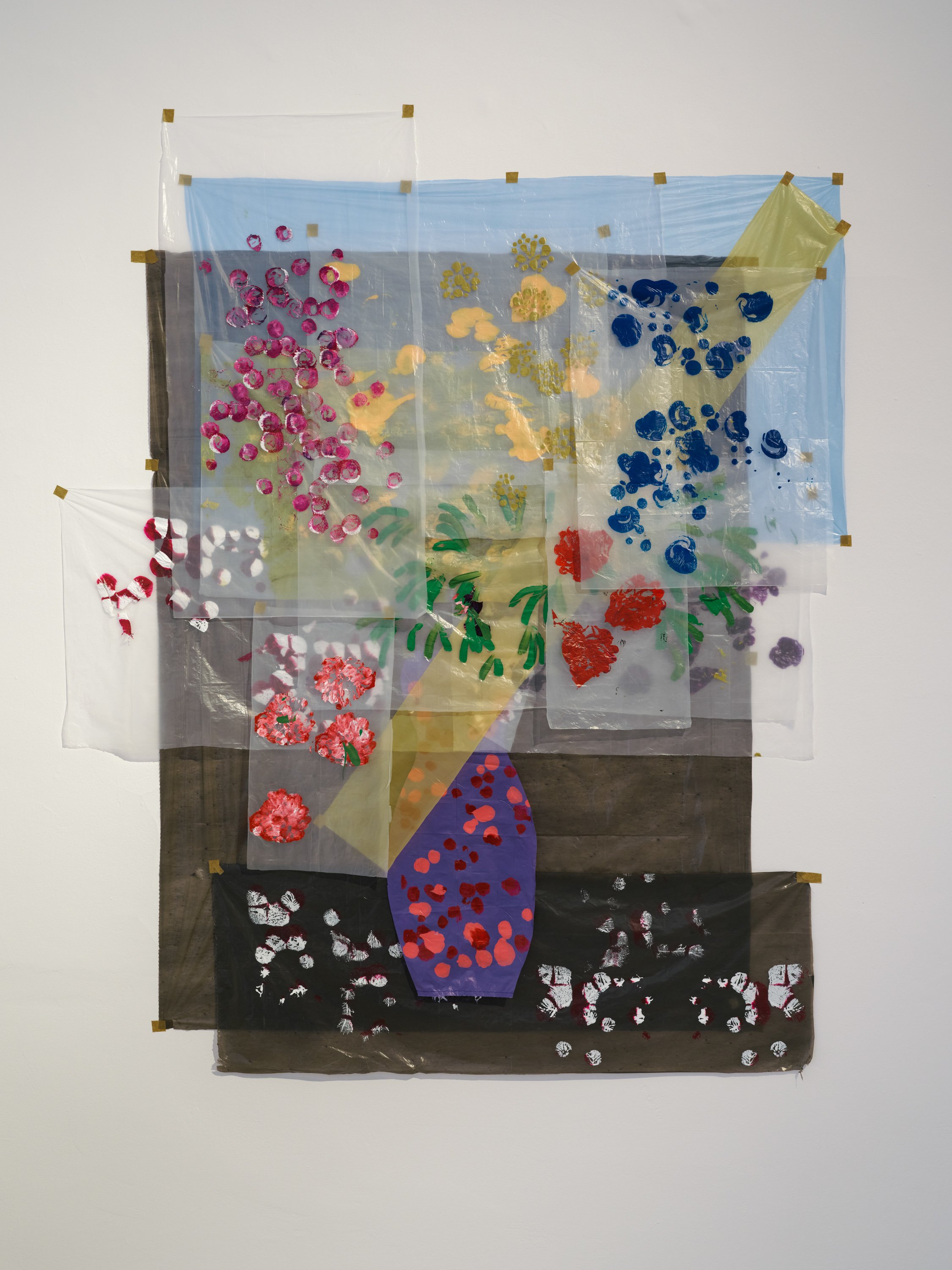
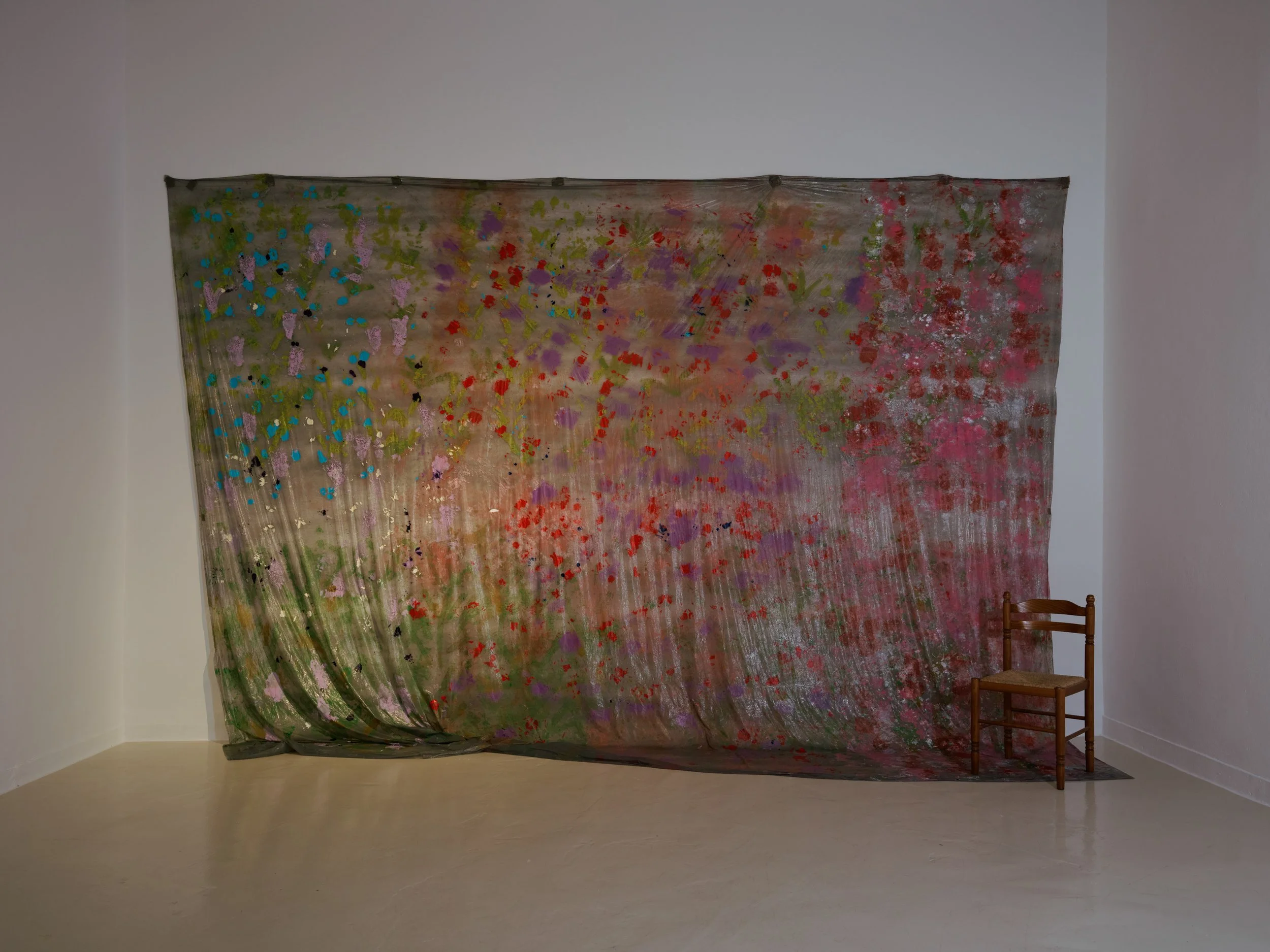
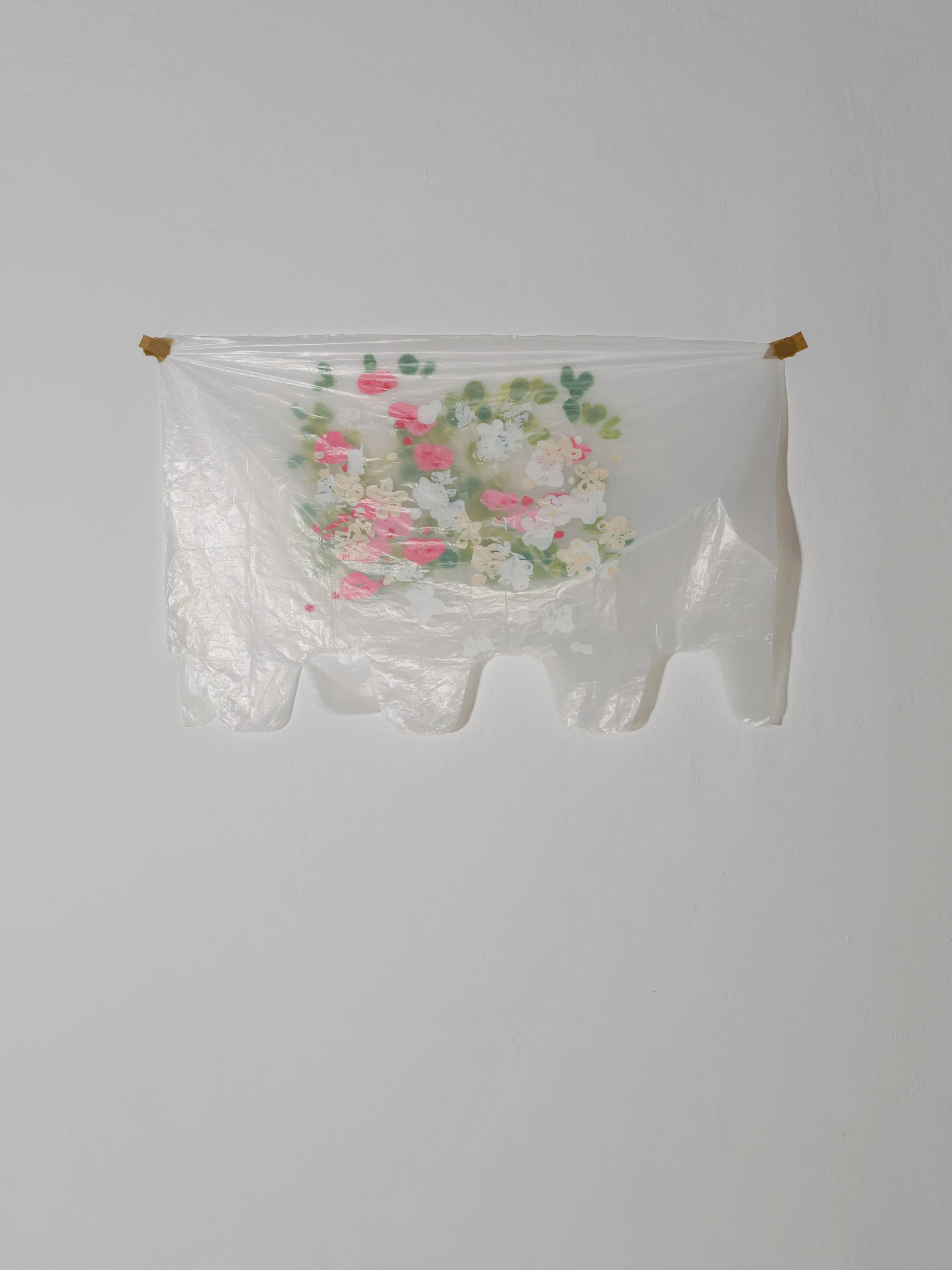
Ivan Buenader has created a series of works on biodegradable foil that move when under the influence of air. In the transfer or stamping process, the artist transfers acrylic paint from cardboard and canvas onto plastic foil typically used to make garbage bags. This creates a distinct contrast between the image and the impermanence of the medium. The films are designed to decompose over time, while the work challenges the traditional belief that a painting should last as long as possible. For Buenader, however, the moment of encounter with the work and the viewer’s personal experience become more significant than the durability of the material. In his practice, the artist also emphasizes the importance of dance and movement. The spontaneous gesture of the human body sets the foil in motion, in space, bringing the painting to life. The work is therefore not something frozen in time, it transforms with the movement of air and the presence of people. Each time it is viewed, the experience is different.
Photos by Bartosz Górka
Partner:

LETO Gallery
Patrons:

Fundacja Artystyczna Podróż Hestii

ERGO Hestia

dela.art foundation
Cooperation:
Towarzystwo Zachęty Sztuk Pięknych